All Categories
Featured
Is Your Dispersed Network Vulnerable to Quantum-Era Threats?
How Diverse Perspectives Fuel High-Impact Technical Devel...

10 Security Challenges Dealing With Remote R&D Groups in ...

How Cultural Positioning Drives Success in Technical Ecosystems
Table of Contents
- – The Transition to Decentralized Research Study...
- – Advanced File Encryption and Data Partition St...
- – Hardware Security and the Function of Secure E...
- – AI-Driven Threat Intelligence and Behavioral A...
- – Regulatory Compliance and Data Sovereignty
- – Constructing a Culture of Security in Research...

The Transition to Decentralized Research Study Environments in 2026
The central lab design has actually mostly faded into the past by 2026. High-performance development centers now operate as decentralized networks of specialized nodes, permitting companies to take advantage of international talent swimming pools without the restraints of a single physical headquarters. While this shift has actually accelerated the speed of discovery, it has actually likewise presented significant security vulnerabilities. Safeguarding exclusive information across these distributed networks needs a shift in how engineers and security designers view the boundary. In 2026, the principle of a "safe" internal network no longer exists. Every connection, whether it originates from a home workplace in a rural district or a high-tech satellite center, is treated with equivalent suspicion.
The technical architecture of these networks relies on a No Trust architecture where identity acts as the main security boundary. Organizations are moving away from conventional passwords in favor of constant authentication protocols. These systems evaluate behavioral patterns, such as typing rhythm, cursor motion, and even biometric telemetry gathered from wearable gadgets, to validate that the individual accessing the R&D database is indeed who they claim to be. This level of analysis happens in the background, minimizing the friction that typically decreases creative work. When these procedures determine a discrepancy from the established standard, access is immediately revoked or limited to low-level information till more verification is supplied.
Security teams in 2026 focus greatly on the stability of the hardware itself. Distributed R&D indicates that physical control over every endpoint is impossible. To counter this, companies have actually adopted silicon-based root-of-trust systems. These microchips are embedded at the manufacturing phase and supply a protected foundation for each other layer of the software stack. If the hardware is tampered with or if the firmware is changed by an unapproved celebration, the gadget becomes incapable of decrypting the network's data. This avoids stolen or jeopardized hardware from becoming an entry point for corporate espionage.
Advanced File Encryption and Data Partition Strategies
The mathematics of information security has actually altered significantly in 2026 with the arrival of quantum-resistant algorithms. As quantum computing abilities have actually expanded, the file encryption techniques that as soon as seemed solid are now considered high-risk. Research study networks need to shift to lattice-based cryptography and other post-quantum standards to ensure that data captured today stays protected against the decryption abilities of tomorrow. This is specifically crucial for R&D jobs with long lifecycles, such as pharmaceutical advancement or aerospace engineering, where the copyright should stay personal for decades.
Maintaining high performance while guaranteeing security is a delicate balance. One way companies accomplish this is through homomorphic file encryption. This innovation enables scientists to carry out calculations on encrypted information without ever needing to decrypt it. A data researcher can run an analysis on a sensitive dataset while the raw information remains concealed, even from the scientist. This significantly decreases the risk of information leakages during the analysis stage. Executing Advanced Enterprise Innovation Centers across these workflows makes sure that collective jobs can proceed without scientists needing to see the complete breadth of the underlying proprietary sets.
Information segregation remains an important part of these security procedures. By micro-segmenting the network, architects can separate specific research study jobs from one another. A breach in a materials science department does not always lead to a compromise in the propulsion laboratory. These sections are often ephemeral, created for the period of a particular task and then liquified once the work is complete. This reduces the time a hazard actor has to move laterally through the network if they handle to discover a point of entry. The objective is to lessen the "blast radius" of any potential security occasion.
Hardware Security and the Function of Secure Enclaves
Secure enclaves have actually ended up being basic in 2026 for any top-level R&D task. These are isolated locations within a processor that are separate from the main os. Even if the whole computer system is jeopardized by malware, the data kept and processed within the secure enclave stays protected. Researchers utilize these enclaves to manage the most delicate elements of their work, such as secret keys or exclusive algorithms. The isolation is implemented at the hardware level, making it nearly difficult for unapproved software to peek into the enclave's memory.
The dependence on Enterprise Centers within the broader technology stack has actually grown as the requirement for specialized computing boosts. Distributed networks frequently use heterogeneous computing, mixing CPUs, GPUs, and specialized AI accelerators. Each of these components must have a validated security posture before it is permitted to join the research network. Automated scanning tools inspect the setup and spot levels of these devices in real-time. If a gadget fails to meet the required security requirement, it is automatically quarantined from the remainder of the node until it is restored into compliance.
Physical security at remote nodes is handled through a mix of automated security and geo-fencing. Access to R&D information is frequently limited to specific geographical collaborates. If a scientist tries to log in from an unauthorized area, the system can obstruct the demand or need additional layers of authentication. In 2026, lots of organizations also use tamper-evident storage for their local caches. If the physical housing of a storage system is opened or modified, the internal drives activate an instant clean of all cryptographic secrets, rendering the information ineffective.
AI-Driven Threat Intelligence and Behavioral Analysis
Synthetic intelligence is both a tool for opponents and a main defense for R&D networks. By 2026, security operations centers rely heavily on AI to process the enormous volume of logs generated by distributed systems. These AI models are trained to acknowledge the subtle indications of a targeted attack, such as a sluggish and methodical exfiltration of little information packages that may go unnoticed by human displays. The systems look for abnormalities in information gain access to patterns, such as a researcher all of a sudden downloading big volumes of files unrelated to their existing task or visiting at unusual hours from a new device.
The human component remains a main concern, as social engineering strategies have actually ended up being more advanced with making use of generative AI. Attackers can now create extremely persuading deepfake audio and video to impersonate executives or job leads. To fight this, research networks have developed strict procedures for out-of-band confirmation. Any ask for sensitive details or a modification in security settings should be validated through a different, pre-verified channel. Training for personnel has also progressed to include simulations of these innovative AI-driven phishing attempts, keeping the group knowledgeable about the most recent tactics used by industrial spies.
Automated red teaming is another technique acquiring traction in 2026. Security systems continuously release regulated "attacks" by themselves network to find weak points before a genuine enemy does. This proactive method enables teams to identify misconfigured cloud buckets, unpatched software application, or weak identity controls in real-time. The results of these tests are utilized to tweak the AI protective models, creating a feedback loop that continuously reinforces the network's durability. This guarantees that the defense progresses simply as rapidly as the risks it deals with.

Regulatory Compliance and Data Sovereignty
Browsing the complicated world of information sovereignty is a major challenge for distributed R&D. Various areas have differing laws regarding how information is handled, stored, and shared. By 2026, numerous nations have updated their privacy guidelines to represent advanced AI and dispersed computing. Organizations needs to guarantee that their security procedures are certified with the laws of every jurisdiction where they have a presence. This typically requires keeping information within the borders of a specific nation while still enabling scientists in other parts of the world to deal with it through protected, remote interfaces.
Modern compliance tools are incorporated directly into the R&D workflow. As information is created, it is instantly tagged with metadata that defines its sensitivity and the guidelines that use to it. This metadata follows the data as it moves through the network, ensuring that security policies are consistently used. For instance, a dataset topic to rigorous European personal privacy laws will instantly be limited from being sent out to a server in an area with weaker defenses. This automated governance reduces the threat of unexpected non-compliance, which can cause heavy fines and damage to the organization's track record.
Transparency and auditability are also crucial. Distributed networks keep immutable logs of all information access and modifications, often using dispersed ledger technology to ensure the logs can not be tampered with. These logs provide a clear path of who accessed what details and when, which is necessary for both regulatory audits and internal investigations. In the event of a suspected IP leakage, these records permit the security group to trace the source of the breach with high precision, recognizing exactly which node or account was included.
Constructing a Culture of Security in Research Study Clusters
Innovation alone can not secure a dispersed R&D network. The culture of the company need to also focus on security. In 2026, researchers are seen as partners in the security process rather than just users of the system. Security procedures are created to be as unobtrusive as possible, however they need the active involvement of every staff member. This includes things like practicing excellent "digital health," being doubtful of unsolicited communications, and immediately reporting any suspicious activity. An educated workforce is typically the very first line of defense versus an invasion.
Collaboration in between the security team and the R&D departments is vital. Security designers need to understand the workflows of the researchers to construct systems that support, rather than hinder, their work. Routine feedback sessions permit scientists to report discomfort points where security measures are decreasing their progress. The security team can then discover ways to optimize those protocols or offer alternative tools that satisfy the exact same security requirements. This collaborative method ensures that security is seen as an enabler of discovery instead of a barrier to it.
As the year 2026 continues to see quick shifts in innovation, the techniques for protecting distributed research networks will keep developing. The focus will remain on structure systems that are resistant, adaptable, and capable of protecting the world's most valuable intellectual home. By combining hardware-based trust, advanced encryption, and AI-driven monitoring, companies can keep the high-performance environments required for the next generation of breakthroughs while keeping their essential possessions safe from the ever-changing risk of cyber-attacks.
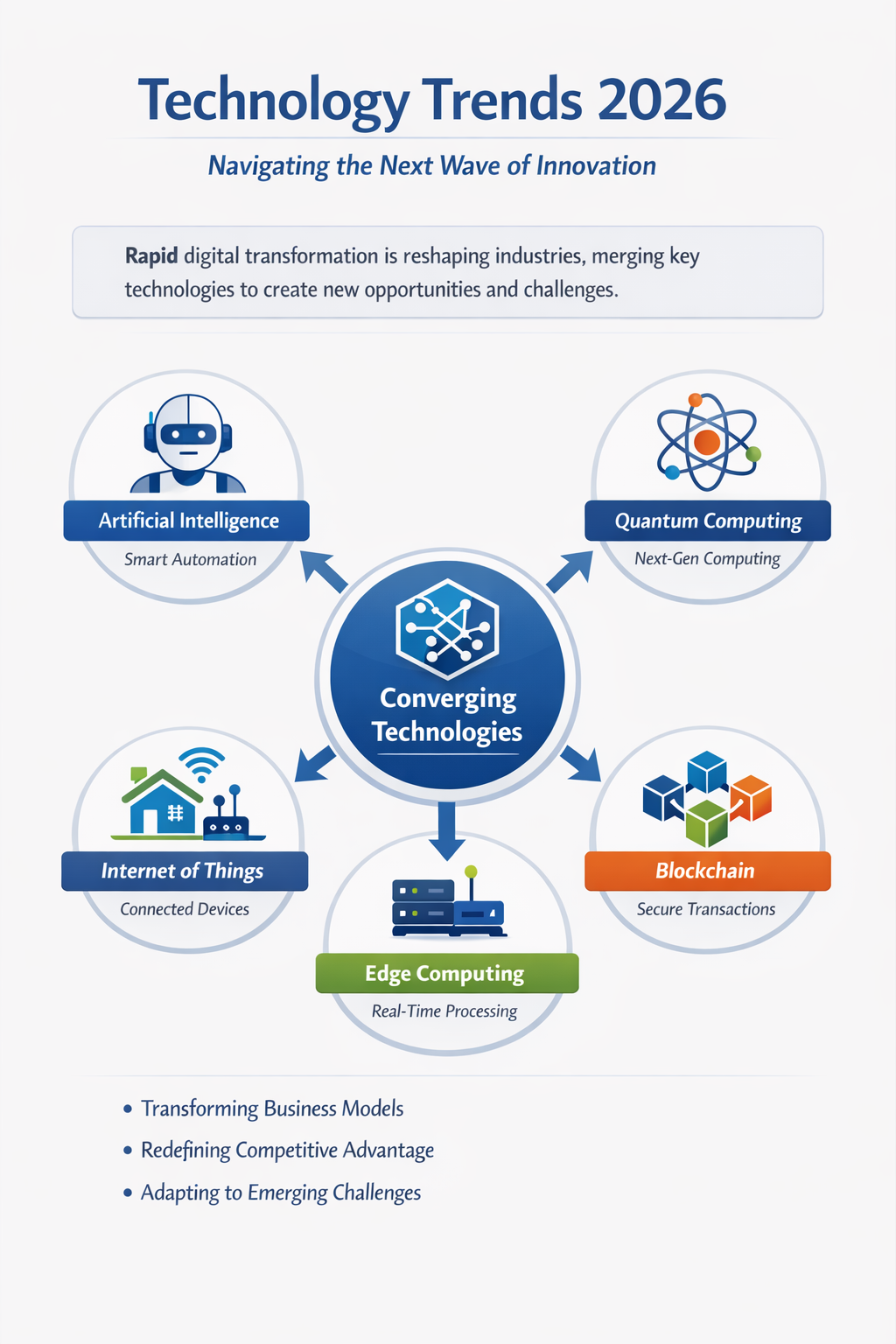
The decentralization of innovation has proven to be a successful design for contemporary companies. While it brings brand-new obstacles, the capability to bring together the very best minds from around the world is an effective advantage. With the right security protocols in location, these dispersed networks will continue to be the engines of progress for several years to come. Preserving the stability of these systems is not simply a technical job, but a tactical need for any company aiming to lead in their particular field.

Table of Contents
- – The Transition to Decentralized Research Study...
- – Advanced File Encryption and Data Partition St...
- – Hardware Security and the Function of Secure E...
- – AI-Driven Threat Intelligence and Behavioral A...
- – Regulatory Compliance and Data Sovereignty
- – Constructing a Culture of Security in Research...
Latest Posts
Is Your Dispersed Network Vulnerable to Quantum-Era Threats?

Adjusting to the Digital Demands of the 2026 Workforce
How Diverse Perspectives Fuel High-Impact Technical Developments
Latest Posts
Is Your Dispersed Network Vulnerable to Quantum-Era Threats?
Adjusting to the Digital Demands of the 2026 Workforce
How Diverse Perspectives Fuel High-Impact Technical Developments